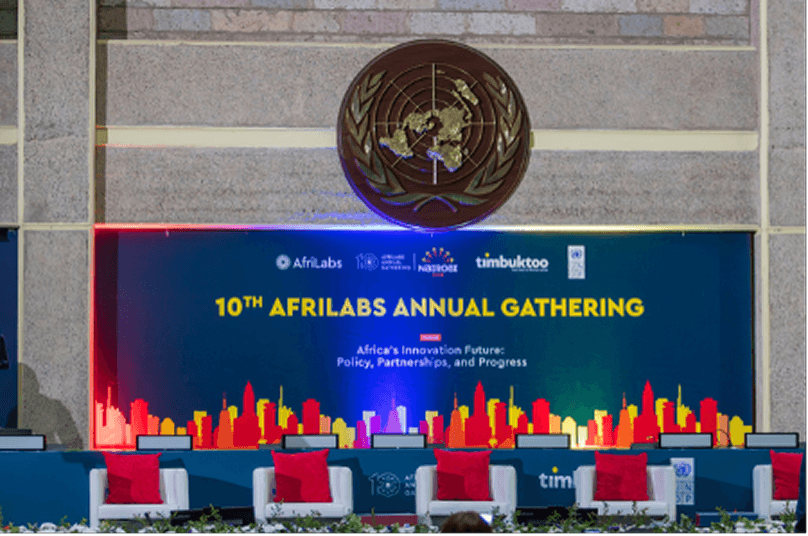
Engineering Policy Engagement: Strengthening Policy Capacity at AfriLabs 2025
One of the least discussed constraints in African innovation ecosystems is not funding, nor even regulation, it is capacity. Many ecosystem actors understand the policy challenges around them. Fewer are equipped with the tools, structure, and confidence to engage those challenges in a systematic way. This gap limits how effectively evidence from hubs and founders translates into policy reform.
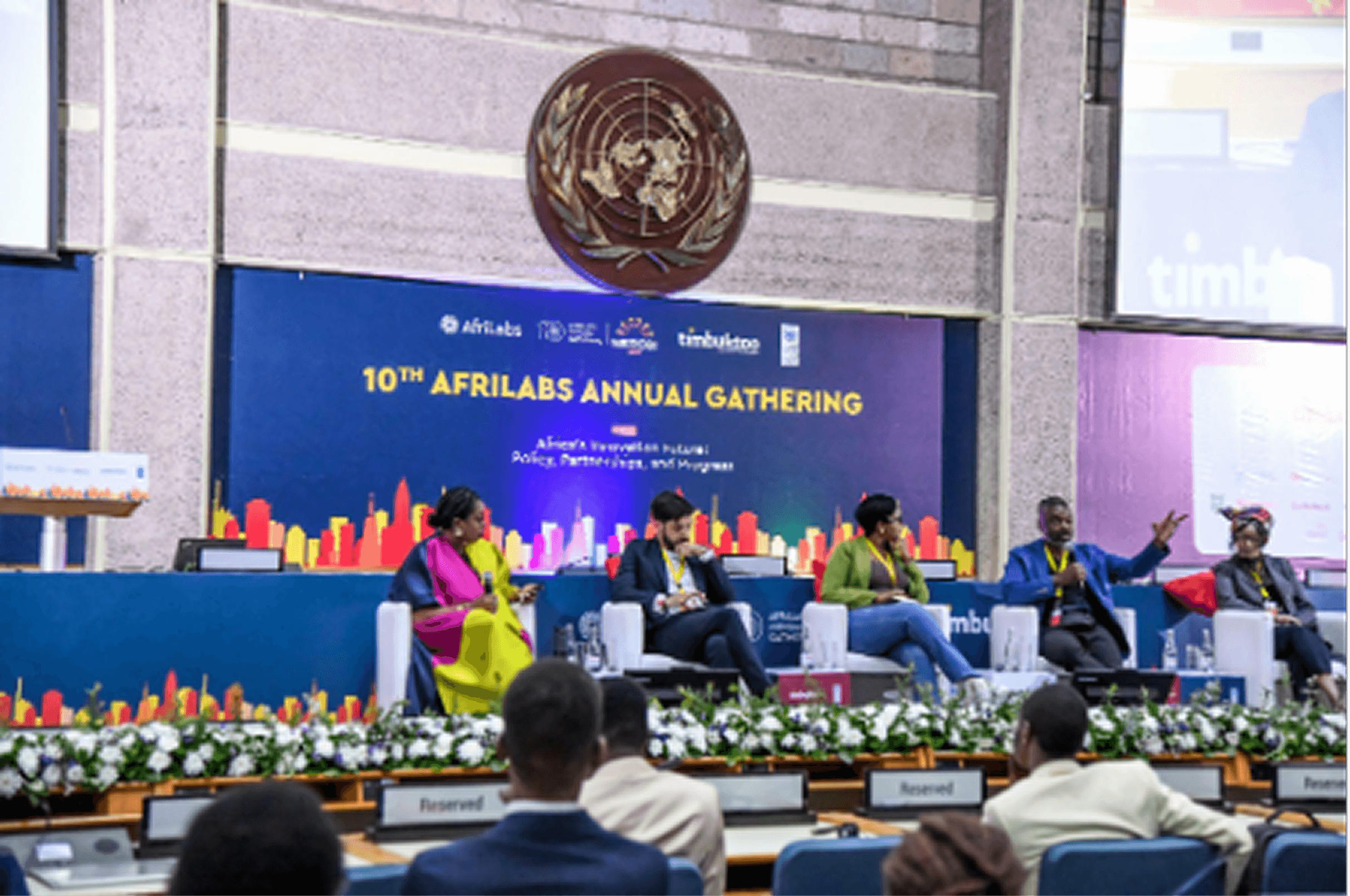
At the 10th AfriLabs Annual Gathering, held in November 2025 in Cape Town under the theme “Africa's Innovation Future: Policy, Partnerships, and Progress,” DTEF focused on addressing that capacity gap.
Grounding the Work in the timbuktoo Policy Approach
DTEF’s sessions were anchored in the timbuktoo Policy Approach (tPA), developed under the timbuktoo, an initiative of the United Nations Development Programme (UNDP). The tPA is designed to strengthen how innovation evidence is mobilised, how policy reform is coordinated, and how ecosystem actors engage governments and regulators in structured ways.
The framework recognises that inclusive innovation ecosystems do not evolve automatically. They require deliberate coordination between founders, hubs, investors, and policymakers. The tPA provides a methodology for identifying systemic barriers, organising ecosystem input, and feeding structured evidence into reform processes at national and continental levels.
For that methodology to work, ecosystem actors must understand it well enough to apply it. DTEF’s role at the gathering was to make that practical.
Strengthening Hub Focal Points as Policy Multipliers
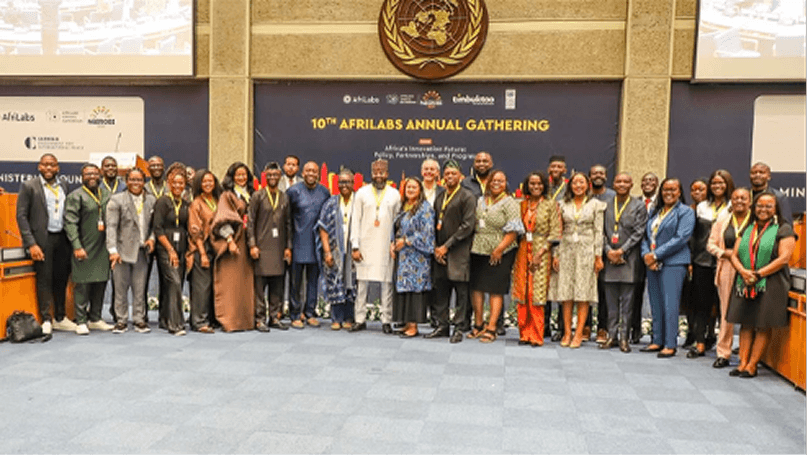
DTEF facilitated two distinct policy capacity-building tracks, reaching more than 100 ecosystem actors.
First, over 20 hub focal points from Greentech, Fintech, and Minetech hubs were trained on how to adopt and deploy the tPA within their networks. These focal points act as intermediaries between hubs and the broader ecosystem. Equipping them with a structured framework increases the likelihood that policy engagement continues beyond the event itself.
Second, more than 80 founders across Greentech, Manutech, and Fintech cohorts participated in sessions designed to connect their operational realities to the broader reform agenda. Founders routinely encounter regulatory friction, financing bottlenecks, and administrative constraints. However, without a shared framework for documenting and communicating those constraints, their insights often remain informal.
The sessions focused on helping founders move from anecdotal complaint to structured input in clarifying problems, mapping stakeholders, and understanding where and how engagement can influence change.
The distinction between hubs and founders was intentional. Hubs operate as ecosystem connectors; founders operate at the point of friction. Strengthening both layers improves how evidence travels through the system.
Capacity Building as Strategy
DTEF’s engagement at the gathering reflects its broader approach across sub-Saharan Africa: strengthening ecosystems by strengthening the actors within them. Whether supporting innovation policy processes in Nigeria, engaging hub networks, or delivering structured training at continental convenings, the underlying objective remains consistent — improve the ecosystem’s ability to participate in its own reform.
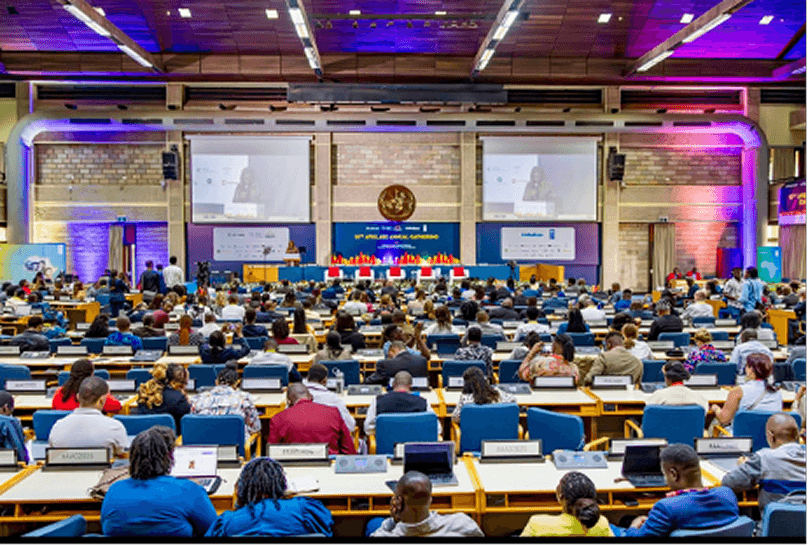
The AfriLabs Annual Gathering convened over 2,000 participants from more than 50 countries, making it one of the continent’s largest innovation convenings. Events of this scale are not only networking platforms; they are opportunities to embed shared methodologies across diverse actors at once.
DTEF’s contribution was practical and focused: introduce a structured policy engagement framework, train ecosystem intermediaries and founders to use it, and strengthen the pipeline between lived innovation experience and policy reform processes.